


Del Sur by Andy Nechaevsky
- Arashk Azizi
- 9 hours ago
- 2 min read
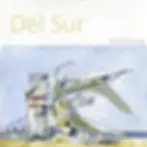
Andy Nechaevsky’s EP Del Sur is a deeply evocative musical journey that melds impressionistic textures with avant-folk sensibilities, drawing listeners into a richly layered exploration of cultural identity and displacement. Rooted in the artist’s personal reflections on Spain’s vibrant yet tumultuous history, this trio of compositions flows like a river, seemingly chaotic at first glance, but revealing intricate rhythmic and melodic patterns upon closer listening.
Across three compositions built from kalimbas, tubular bells, tank drum and cello, Nechaevsky creates a world of patterns hiding inside perpetual motion. The music never stands still, it lives in the in-between spaces, in the drift between cultures, in the emotional residue of exile.
The opening track, Libros Plumbeos, sets the tone with a delicate balance of percussive and melodic elements. Nechaevsky’s use of multiple kalimbas and tubular bells creates an ethereal texture that feels both ancient and immediate. The hidden melody, woven through augmented seconds, evokes a subtle Middle Eastern flavor, conjuring the complex cultural tapestry of Spain’s past. This track acts like a sonic landscape where the echoes of history resonate beneath the surface, much like the layers of olive trees and cicadas that inspired the artist.
Morisca deepens the sonic grammar established in the first piece but adds pulse, a heartbeat hidden inside the cascade. The flow continues, still restless, still river-like, but now it moves with intention. A shadow of cello emerges behind the bells and kalimbas, giving the track a sense of depth and unresolved yearning. Among the EP’s themes, Spanish cultural history, displacement, and the mutable territory of identity, this piece acts almost like the middle movement of a sonata, more grounded, more introspective, aware of the distance between origins and destinations.
The EP closes with Mi Shebeirach, which returns to the flowing, continuous stream of notes reminiscent of the first track. Here, the music feels like a quiet meditation on resilience and memory, a sonic garden grown at the crossroads of history’s upheavals. The title, a traditional Jewish prayer for healing, underscores the personal and collective wounds embedded in this work, offering a moment of calm reflection amid the complex textures.
For me, Del Sur is a sonata in three movements that captures the essence of a land and a people shaped by fire and silence, by exile and belonging. Spain is not a postcard here; it is the metaphorical shore reached after leaving annexed Crimea. It is olive trees and anchors, highways and cicadas, but also the echo of Marranos, Mozárabes, Moriscos, people historically forced to translate themselves across borders, religions, and eras.
Del Sur is impressionistic and avant-folk, yes. But more importantly, it is a small testament to survival through sound. These pieces capture the intimate truth that identity is not a fixed homeland but a garden grown at a crossroads, trampled, revived, and endlessly alive.
#DelSurEP #AndyNechaevsky #AvantFolk #InstrumentalMusic #ImpressionismInMusic #CulturalIdentity #MusicalJourney #SpanishHistory #StructuredImprovisation #WorldMusic #MusicAndMemory #Soundscape #FolkFusion #CulturalDisplacement #NewMusic2025 #ProtomaterialRecords #MusicReview #HiddenMelodies #MusicalStorytelling #HealingThroughMusic